

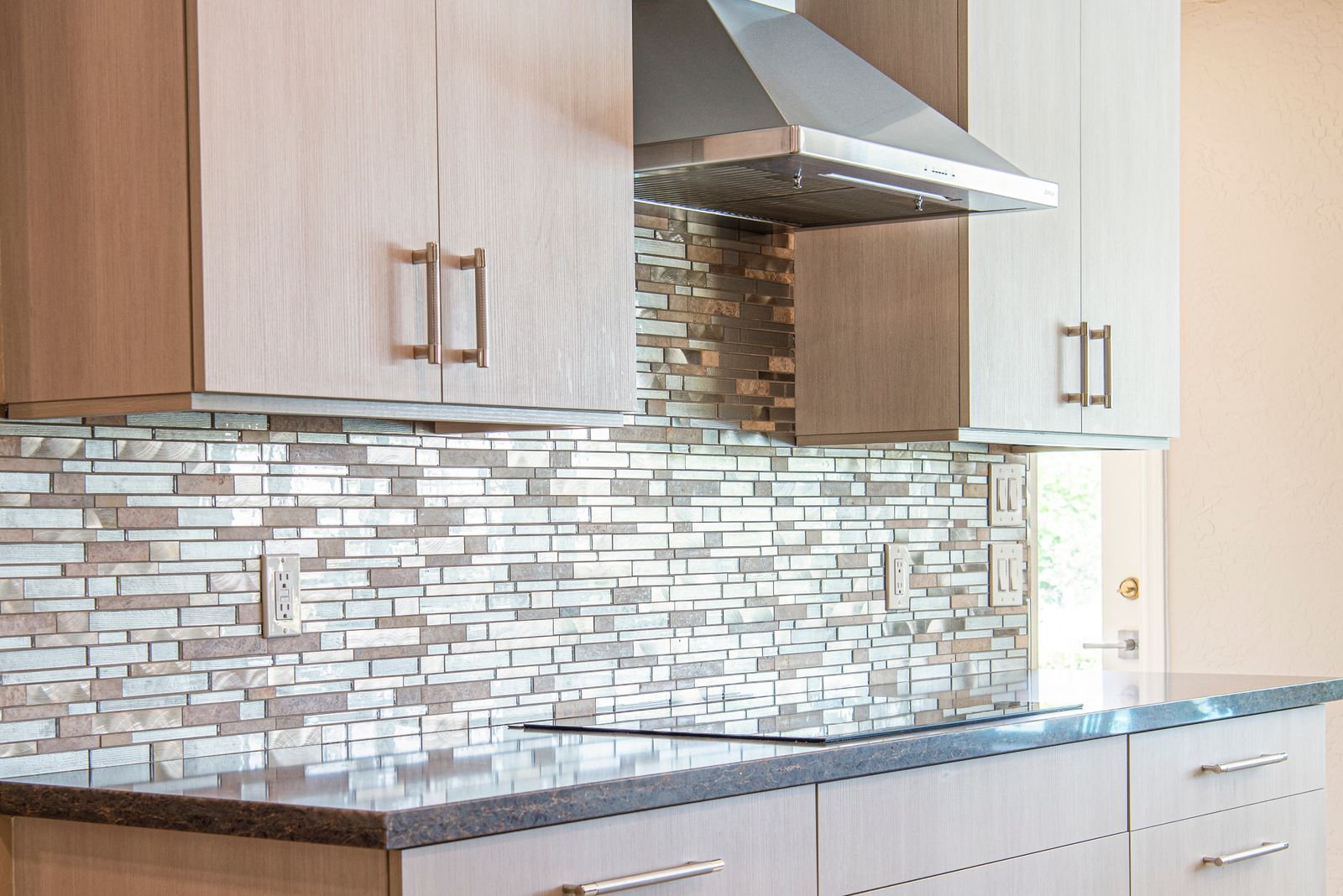
How to Clean a Kitchen Backsplash: Grease, Grout and Every Tile Type
To clean a kitchen backsplash, wipe off loose crumbs, wash the surface with warm water and a few drops of dish soap, give greasy areas behind the stove a few minutes of dwell time with a degreaser made for your surface, then rinse with clean water and dry with a microfiber cloth. The method stays the same for most backsplashes; what changes is how strong a cleaner and how firm a pad each material can take. Here is how to do it without dulling glaze, scratching glass or etching stone.
What you need
- Two or three microfiber cloths (one for washing, one for rinsing, one for drying)
- A bucket or spray bottle of warm water with a few drops of dish soap
- A degreaser or tile cleaner labeled safe for your surface (pH-neutral for natural stone)
- A soft nylon brush or an old soft toothbrush for grout lines
- A non-scratch scrub pad, only for glazed ceramic or porcelain
- Gloves, and a small hidden spot to test anything new
Know what your backsplash is made of
Most backsplash problems come from using one cleaner on everything. Glazed ceramic and porcelain tile are the most forgiving: they handle dish soap, most kitchen degreasers and a non-scratch pad. Glass tile wipes clean easily but scratches and streaks. Metal and metallic-finish tiles scratch and show cloth marks. Natural stone such as marble, travertine, limestone or slate is the most sensitive, because acids etch it and it can absorb oil. Tile maker Daltile also warns against products containing fluorine compounds, which it says damage ceramic, glass and stone. If you aren’t sure what you have, treat it as stone until you know.
How do you clean a kitchen backsplash step by step?
Work from the top of the backsplash down and from the cleanest area toward the stove, so you aren’t dragging grease across clean tile. Use warm soapy water first and bring in a degreaser only where soap doesn’t cut it. Finish with a clean-water rinse and a dry buff, because cleaner left on the wall attracts the next round of splatter.
- Clear the counter and wipe off loose debris. Move appliances and utensil crocks away from the wall and brush off crumbs and dust with a dry microfiber cloth.
- Wash with warm, soapy water. Wring the cloth so it’s damp, not dripping, and wipe the whole backsplash. Keep water away from the wall outlets and switches; wipe their plates with a barely damp cloth instead.
- Let a cleaner sit on the greasy zone. Spray your degreaser or tile cleaner on the area behind the cooktop and leave it for the time on the label. Daltile’s tile care guidance suggests about 3 to 5 minutes for heavily soiled areas, depending on the cleaner.
- Agitate gently. Wipe in short strokes with the cloth. On glazed ceramic or porcelain you can step up to a non-scratch pad if needed. Run a soft brush along the grout lines.
- Rinse with clean water. Use a fresh cloth and clean water to take off every trace of soap and cleaner. Residue is what makes a backsplash look hazy and feel tacky a week later.
- Dry and buff. A dry microfiber cloth prevents water spots, which matters on glass and dark tile.
How do you get baked-on grease off a backsplash?
Old grease behind a range is sticky because it has been heated and has collected dust. Soften it before you scrub: apply a degreaser that’s safe for your surface, let it dwell, and wipe. Repeat two or three short rounds rather than scrubbing hard once. For stubborn film on glazed ceramic or porcelain, a paste of baking soda and a little water rubbed gently with a soft cloth adds mild abrasion. Don’t use that paste on glass, metal or polished stone, where it can leave fine scratches.
Grease on the backsplash usually means grease on the hood too. If yours comes back quickly, it’s worth cleaning the range hood filter and running the fan while you cook. The stovetop itself is easiest to do in the same session.
How do you clean glass, metal and natural stone backsplashes?
Glass, metal and stone need a gentler hand than glazed tile. Use dish soap and warm water or a pH-neutral cleaner, a soft cloth instead of a pad, and a thorough dry buff. Skip abrasive powders on all three, and keep vinegar, lemon and other acids off stone and cement grout entirely.
- Glass tile: wash with soapy water, rinse, then finish with a streak-free glass cleaner sprayed onto the cloth rather than the wall so it doesn’t run into the grout. Our mirror-cleaning method works the same way here.
- Metal or metallic tile: use a soft cloth, wipe in the direction of any brushed grain, and dry right away to avoid water marks. Never use steel wool.
- Natural stone: the natural stone care guide published by tile retailer TileBar recommends a pH-neutral stone cleaner for routine cleaning and says even mild vinegar or lemon mixes can etch most stone. Blot spills instead of wiping them across the surface. Dark, oily spots that remain after cleaning may need a poultice, a job many homeowners hand to a stone professional. The same rules apply to stone counters, which we cover in our guide to cleaning granite and quartz countertops.
How do you clean the grout lines in a backsplash?
Backsplash grout collects grease rather than the soap scum you find in a shower, so start with the same soapy water or degreaser you used on the tile and a soft brush. Scrub along the line, not across it, and rinse well. If the grout is still discolored, our full guide to cleaning grout covers stronger options and when sealing helps. Avoid acidic cleaners on cement grout, and never mix cleaning products, especially bleach with ammonia or with acids.
What should you never use on a backsplash?
- Steel wool or rough scouring pads on any surface
- Vinegar, lemon or acidic cleaners on natural stone or cement grout
- Abrasive powders on glass, metal or polished stone
- Products containing fluorine compounds, which Daltile says damage ceramic, glass and stone
- Soaking the wall, especially around outlets and the counter seam
- Mixing two cleaners to make them “stronger”
How often should you clean a backsplash?
A quick wipe with a damp cloth after cooking anything that splatters keeps grease from baking on. Give the whole backsplash a proper wash, including grout lines, every week or two in a kitchen that gets daily use, and plan a degreasing session before holiday cooking and after it. Fresh splatter takes seconds to remove; month-old film can take a few rounds of dwell time.
When a professional clean makes sense
The backsplash is part of every kitchen we clean. In our recurring cleaning visits, our Vetted Cleaning Professionals clean the backsplash and remove routine splatters, and a deep cleaning gives countertops and backsplash more thorough attention along with the range hood surfaces. You can see each service’s kitchen tasks on our cleaning checklists. Damaged grout, etched stone or a backsplash that needs resealing is repair work, so call a tile or stone specialist for those. Suddenly Clean serves homes throughout East County and surrounding San Diego communities. If your ZIP code is accepted, we currently service your area, and you can see your exact flat-rate price on our booking page.
Comments are closed