


How Often Should You Get Your House Cleaned?
For most households, a professional cleaning every two weeks is the practical baseline: often enough that bathrooms and kitchens never get away from you, spaced enough that you are not paying someone to clean a house that is already clean. Go weekly if you have pets that shed, young kids, allergies or a home that is lived in hard all day. Every three or four weeks works for one- or two-person homes that keep up between visits. Then add a deeper clean once or twice a year, or before a big event like hosting for the holidays.
That is the short answer. The right schedule for your home depends on a few specific things, and they are easy to check.
A quick guide to cleaning frequency
| Frequency | Usually fits | What you handle between visits |
|---|---|---|
| Weekly | Shedding pets, young kids, allergy or asthma concerns, larger busy households, people who work from home | Dishes, clutter, quick spills |
| Every two weeks | Most families and couples with normal routines | Dishes, counters after cooking, a quick bathroom wipe-down mid-cycle |
| Every three weeks | Small households that tidy daily and cook lightly | The above, plus a weekly vacuum of high-traffic floors |
| Monthly | Singles or couples who are out most of the day and already clean weekly themselves | Most routine cleaning; the visit catches what slips |
Treat the table as a starting point, not a rule. Two homes of the same size can need very different schedules depending on who and what lives there.
What pushes you toward weekly
A few factors make dirt and dust come back faster than a two-week cycle can comfortably handle:
- Pets that shed. Hair and dander settle on floors, rugs and upholstery within days. If you can see tumbleweeds of fur by day five, weekly visits will feel very different from biweekly ones.
- Allergies or asthma in the home. Public health guidance for reducing indoor asthma triggers calls for vacuuming floors, carpet and fabric furniture weekly and dusting hard surfaces weekly with a damp cloth rather than a dry one. Dust mite guidance also recommends washing bedding weekly in hot water, at least 130°F. If those tasks matter for someone’s comfort, a weekly schedule makes them consistent.
- Young kids. Sticky handprints, crumbs and bathroom traffic add up quickly, and little ones spend a lot of time on the floor.
- A home that is occupied all day. Working from home, a full house or frequent guests mean more cooking, more bathroom use and more foot traffic.
- Heavy cooking. Daily cooking leaves a film of grease on the stovetop, backsplash and nearby surfaces that hardens if it sits.
One practical note for allergy households: the person with the allergy is better off out of the room while vacuuming and dusting happen, since both stir dust into the air for a while.
When every three or four weeks is enough
Longer gaps work well when the home is lightly used and someone keeps up the basics. That usually looks like one or two adults, no shedding pets, light cooking, and a habit of wiping the bathroom sink and vacuuming the main floors yourself once a week.
The tradeoff is that each visit has more to catch up on. Soap scum, shower film and kitchen grease are much easier to remove at two weeks than at four, so a monthly visit tends to spend more of its time on bathrooms and the kitchen and less on details. If that is fine with you, monthly is a sensible, budget-friendly choice.
The rooms that set the pace
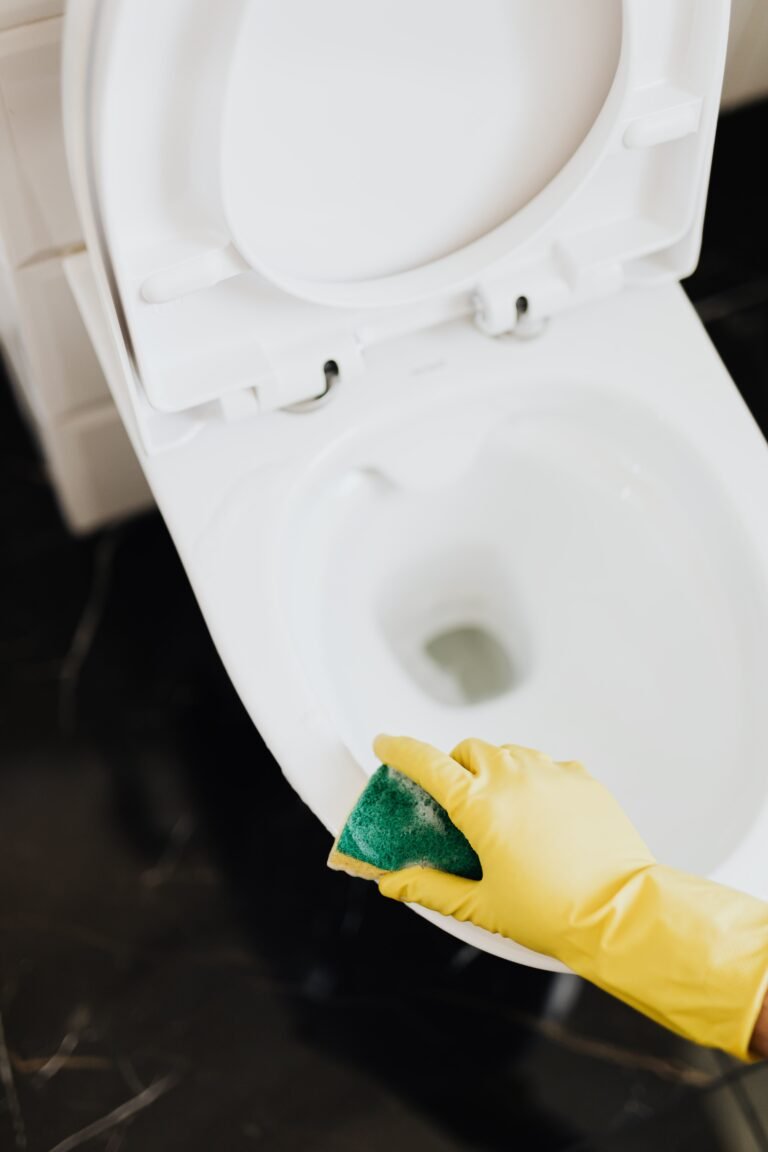
When you are deciding on a schedule, look at your bathrooms and kitchen, not the living room. Bedrooms and living spaces mostly collect dust and clutter. Bathrooms and kitchens collect the things that get harder to remove with time: soap scum, hard water spots, toilet rings, and cooked-on grease.
A simple test: note how many days after a thorough cleaning your shower and toilet start to look dingy again. If it is less than a week, your home will probably feel better on a weekly schedule, or on biweekly visits with a quick mid-cycle bathroom wipe-down from you. Homes with hard water see mineral spots on glass and fixtures come back quickly, which is another reason bathrooms tend to drive the schedule. If shower glass is your problem area, our guide to removing hard water stains from glass shower doors covers prevention between cleanings.
Where a deep clean fits in
Recurring visits maintain a home. A deep clean resets it, reaching the buildup and detail work that routine visits are not designed to cover every time. The difference is laid out in our article on standard cleaning vs. deep cleaning.
A deep clean makes sense:
- When a home has gone a while without a thorough cleaning and buildup has set in.
- As a seasonal reset, once or twice a year, even for homes on a recurring schedule.
- Before hosting, especially ahead of Thanksgiving and the December holidays when guests will see your kitchen and guest bath up close.
A deep clean is not always required before recurring service. With us, a home that is already reasonably maintained can start recurring visits directly. The first visit is based on the home’s actual condition, and if it needs significantly more time or attention than a standard recurring clean, we will communicate that with you and adjust the service accordingly. If your home does need a reset, our deep cleaning service is built for exactly that.
What you will still do between visits
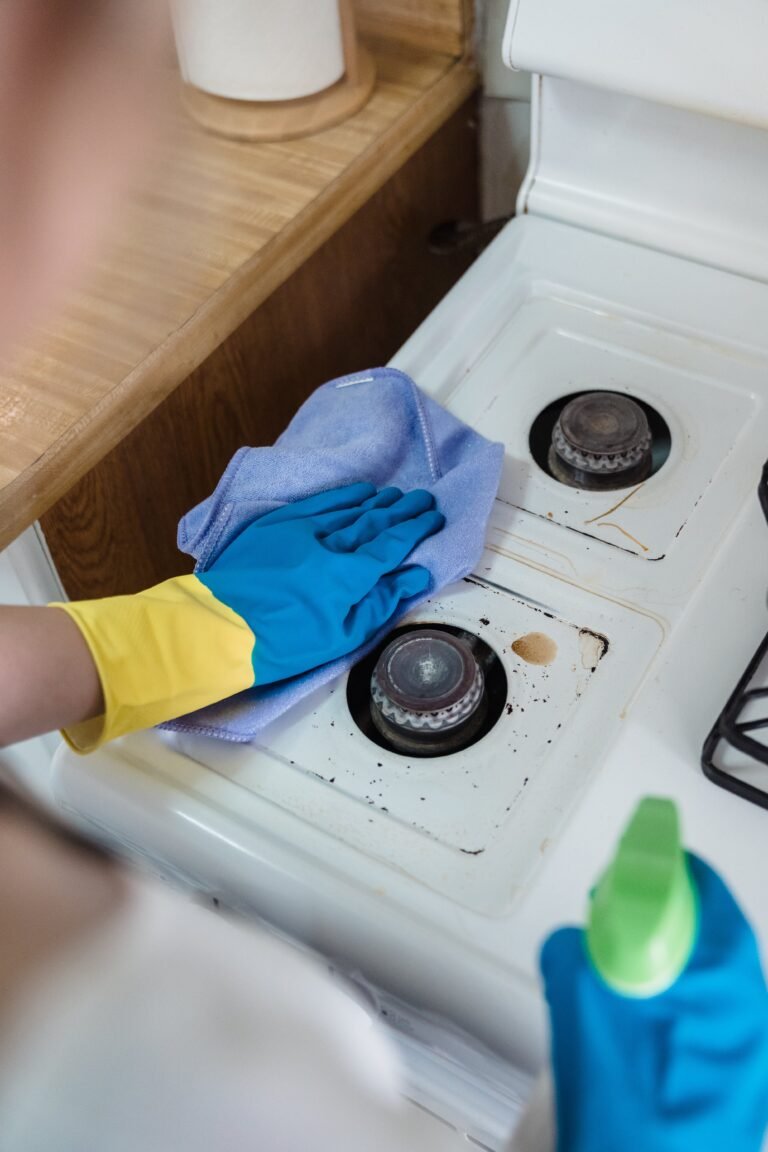
Even weekly cleaning does not replace daily habits. A few small tasks keep any schedule working:
- Daily: dishes, wiping counters and the stovetop after cooking while spills are still soft, and putting things back where they live.
- A few times a week: a quick wipe of the bathroom sink and faucet, and emptying overflowing trash.
- Weekly: washing bedding, and running the vacuum over entry areas and pet zones if visits are biweekly or less often.
If you want a fast routine for the bathroom between visits, our 15-minute bathroom cleaning guide is a good place to start.
How to choose and adjust
If you are unsure, start at every two weeks and give it two months. Then adjust based on what you actually see:
- Move to weekly if the house feels noticeably dirty several days before each visit, if pet hair is visible on floors within a few days, or if someone’s allergies are acting up.
- Stretch to every three or four weeks if the home still looks tidy when the cleaners arrive and you are comfortable handling a weekly vacuum and bathroom wipe yourself.
- Add a one-time deep clean if specific areas keep slipping, such as shower grout or the inside of the oven, rather than increasing the whole schedule.
Frequency also affects how each visit goes. The more regular the schedule, the less time each visit spends catching up, and the more it can go toward the details you notice.
Setting up a schedule with us
Our recurring house cleaning is available weekly, every two weeks, every three weeks or monthly, with the same scope each visit. Price depends on your home’s size and condition, the service type and how often you book, so the most accurate number comes from entering your details on our booking page. Suddenly Clean serves homes throughout East County and surrounding San Diego communities; if your ZIP code is accepted, we currently service your area.
Before the first visit, our guide on how to prepare for house cleaners explains what is worth doing ahead of time and what you can skip.
Comments are closed