


Warm water, a little dish soap, a barely damp microfiber cloth and a dry one behind it remove most kitchen grease safely. Here's the step-by-step method, what to do about stubborn buildup, and what to keep off wood, painted and thermofoil cabinets.

For most homes, a professional cleaning every two weeks is the practical baseline. Here is when weekly or monthly makes more sense, and where a deep clean fits in.
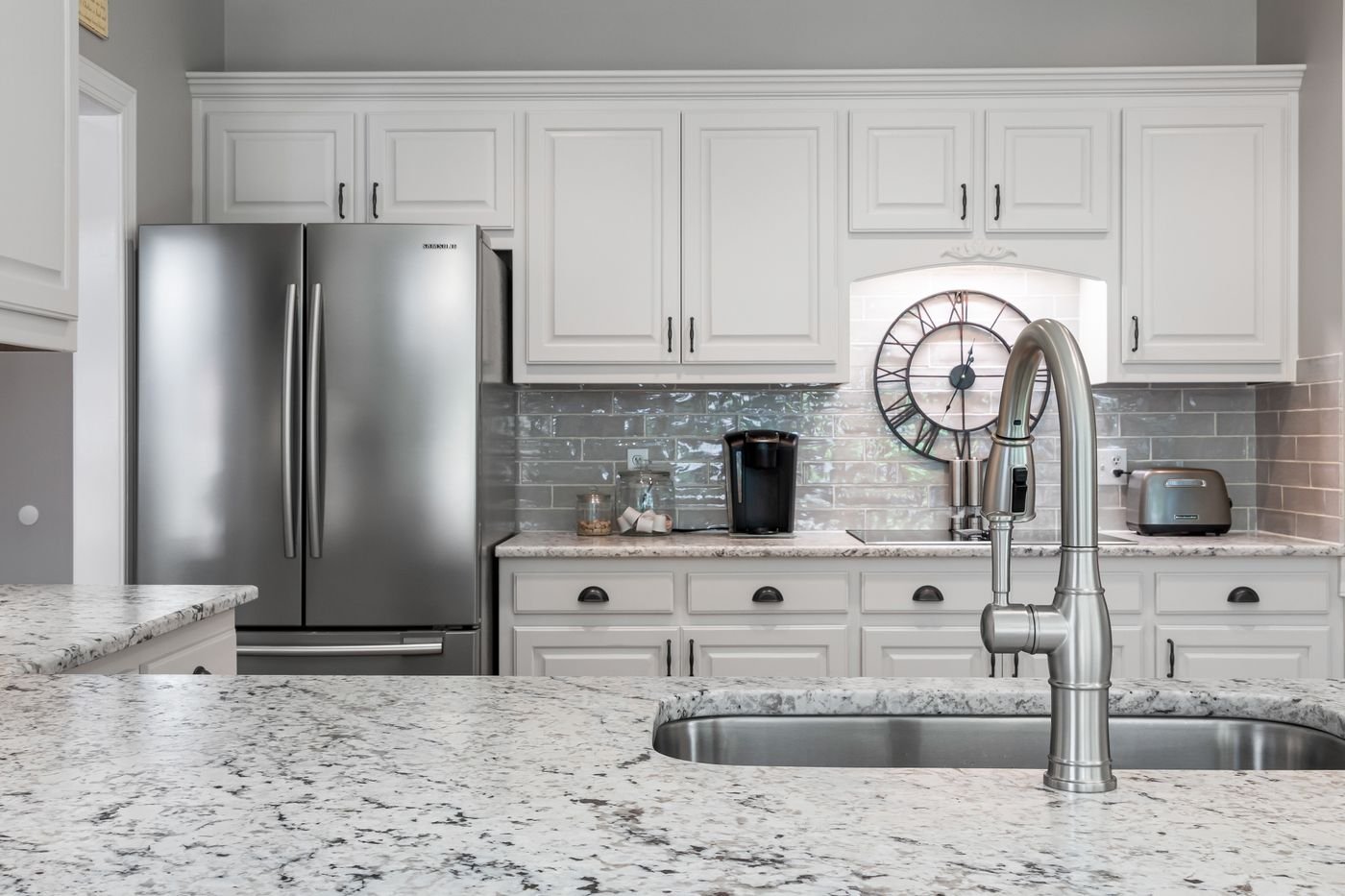
A step-by-step way to clean a refrigerator inside and out before holiday cooking: shelves, drawers, door seals, odors, coils and the temperatures to check.
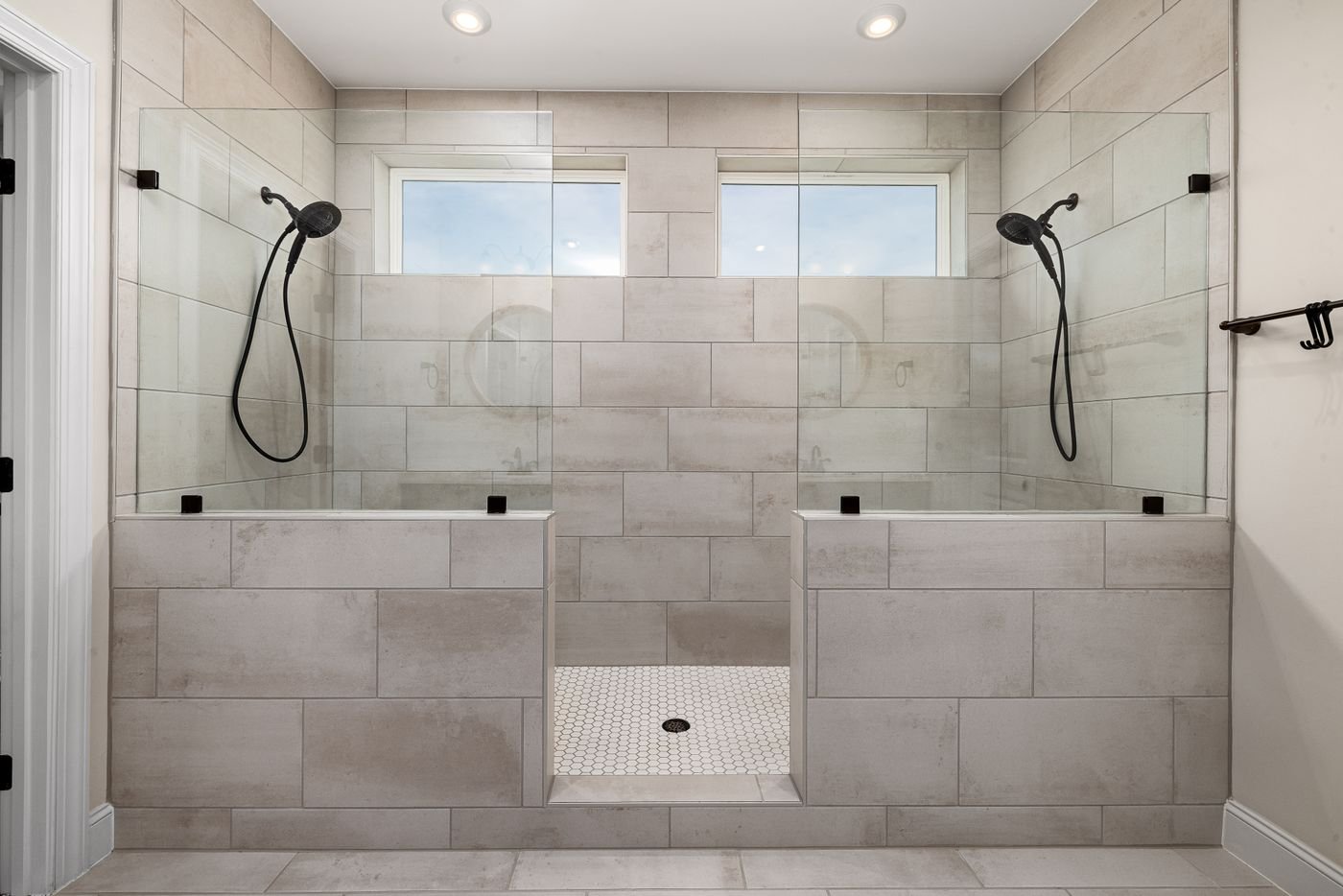
Most grout comes clean with a pH-neutral cleaner, a nylon brush, a good rinse and a dry towel. Here's how to match the cleaner to tougher stains, what damages grout, and when it needs sealing or repair.
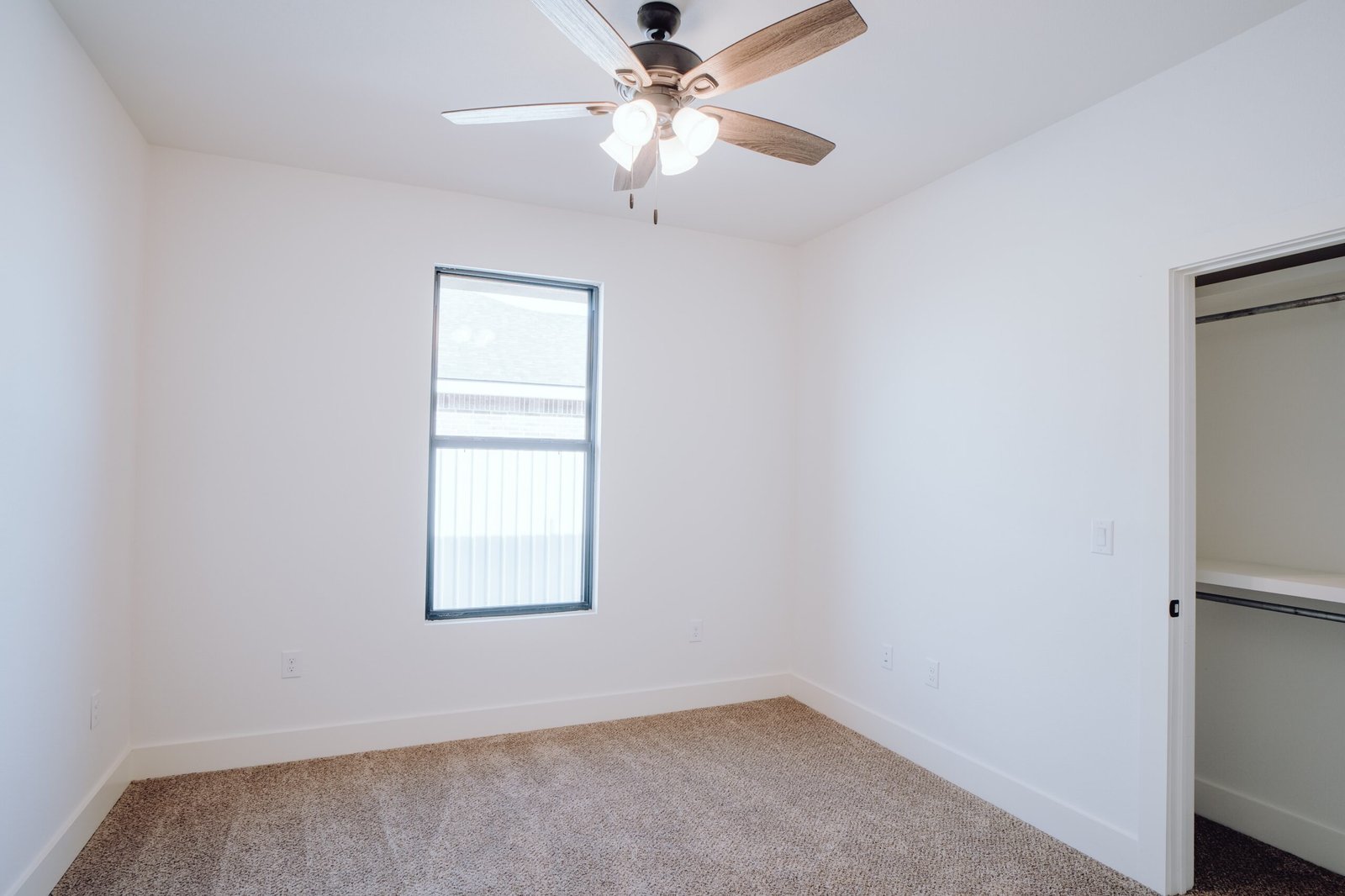
How to clean a ceiling fan without showering the room in dust: the pillowcase method, safe cleaners for blades and glass, sticky kitchen fans, and how often to do it.

Wash window screens with mild dish soap, warm water and a soft brush, rinse gently and let them dry fully. Here's the step-by-step, a quick in-place method, and what to avoid.

You don't need to clean before your house cleaners arrive. Here's how to clear the way, plan for pets and entry, and tell your cleaner what matters most so the visit goes further.
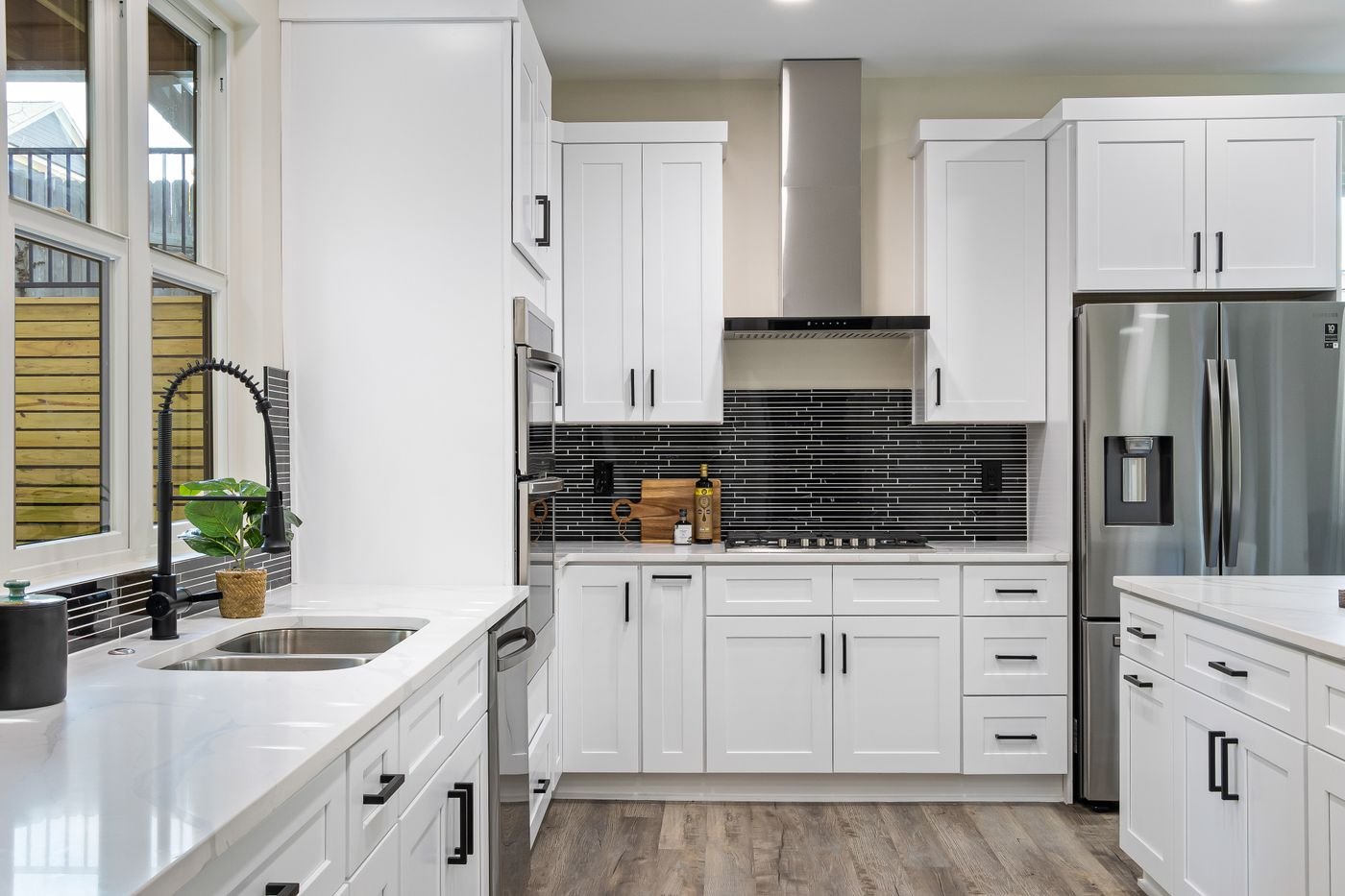
Metal range hood filters come clean with hot water, dish soap and a soft brush, and many can go in the dishwasher. Charcoal filters can't be washed and need replacing.

A step-by-step method for cleaning sliding door and window tracks: vacuum first, soften grime with soapy water, clear window weep holes, and finish door tracks with silicone lubricant.
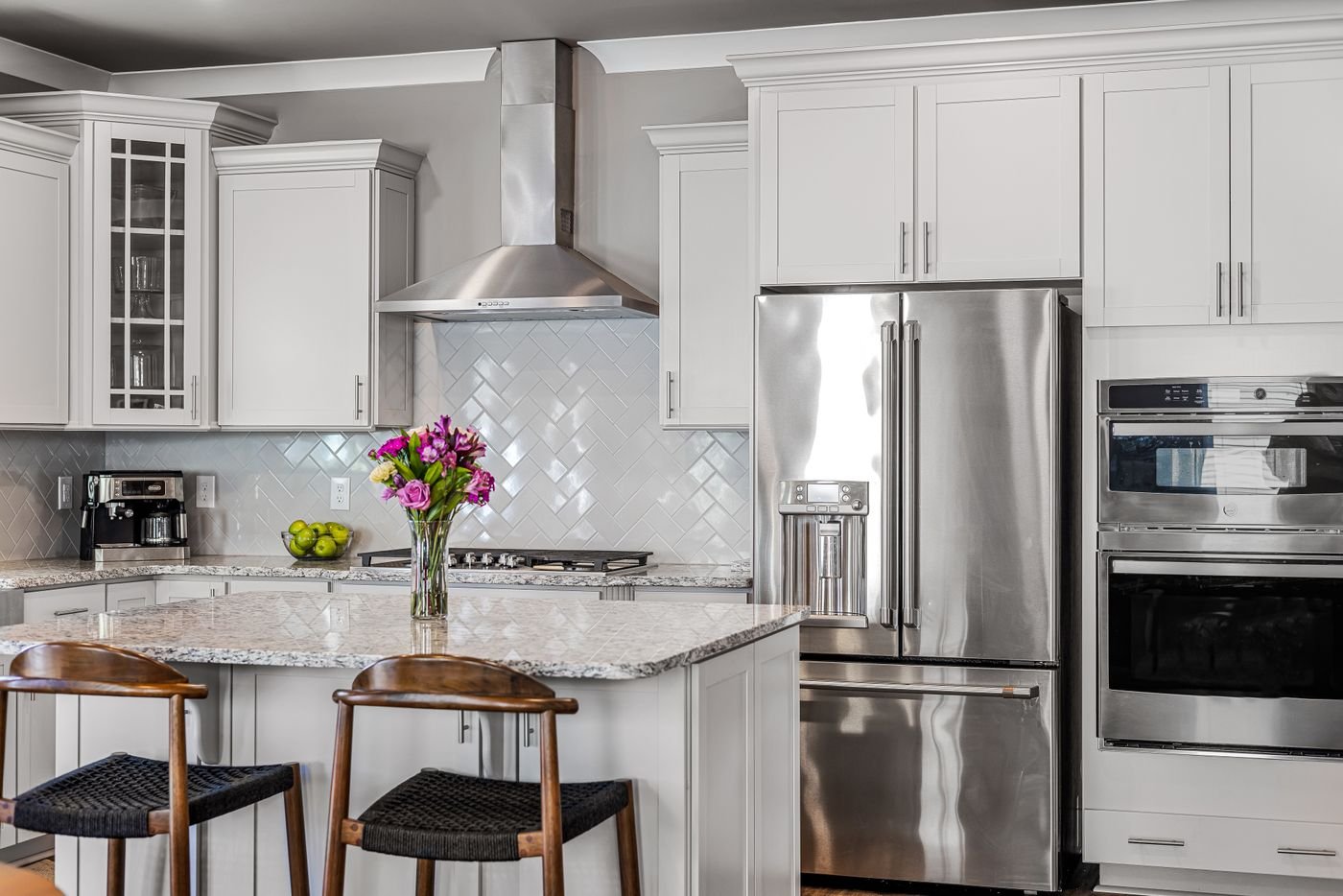
The safest way to clean most ovens is a baking soda paste left overnight, with the racks soaked separately. Here's the step-by-step method, plus how to use the self-clean cycle safely before holiday cooking.