

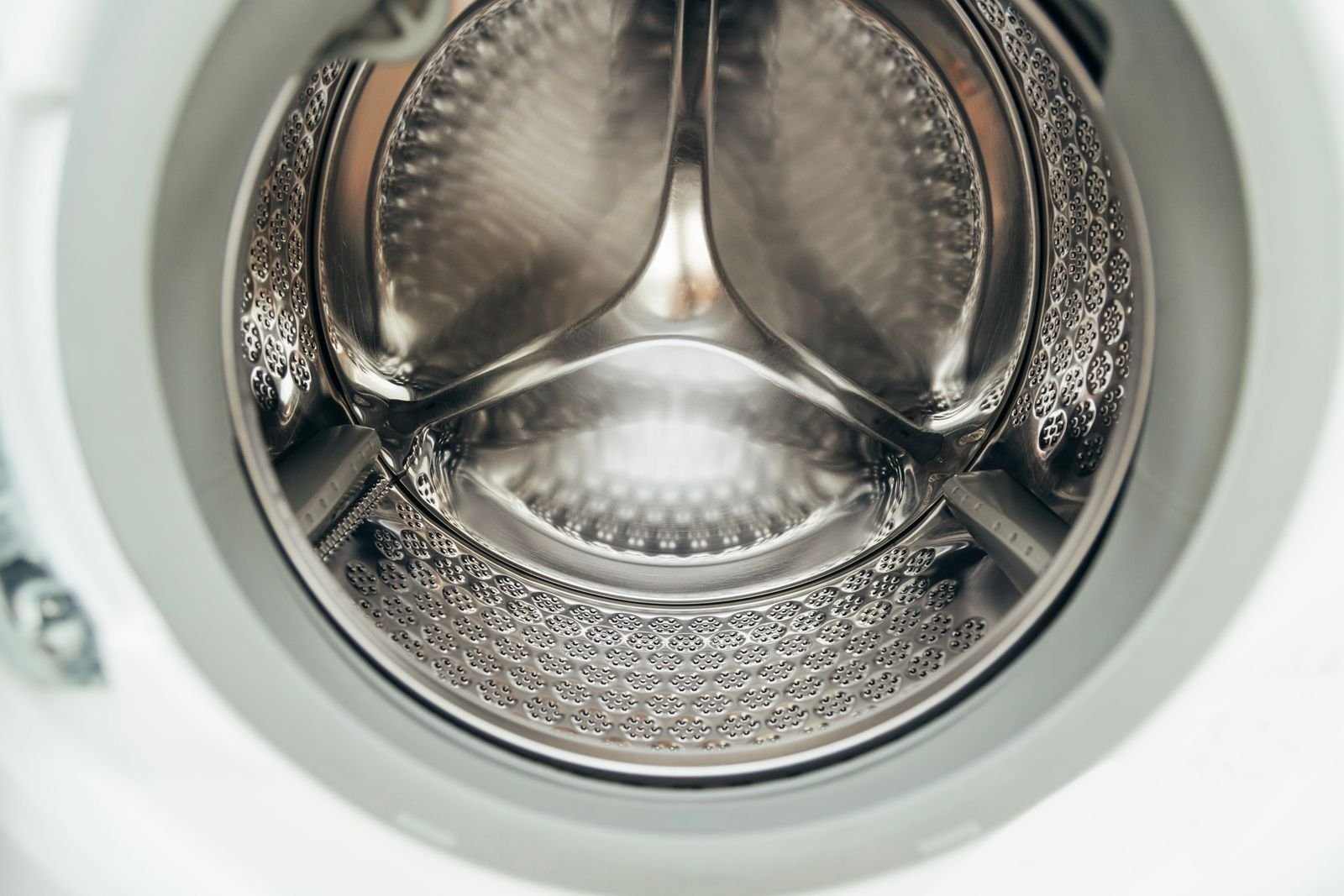
How to Clean a Washing Machine: Front-Load and Top-Load
To clean a washing machine, run an empty hot cleaning cycle once a month with a washer cleaner tablet or the amount of liquid chlorine bleach your manual allows, then hand-clean the parts the cycle misses: the door gasket, the detergent dispenser, the drain pump filter and the inlet hose screens. Finish by leaving the door or lid open so the drum dries. Below is how we approach front-load and top-load washers, what not to use, and how to keep the musty smell from coming back.
Why does my washing machine smell?
A washer smells musty when detergent residue, fabric softener, lint and body soil build up in places that stay damp, then grow mildew and bacteria. Front-load machines are most prone because the rubber door seal traps water and the door is usually closed between loads. Too much detergent, cold-only washing and wet clothes left sitting in the drum all make it worse.
Whirlpool’s care guidance points to the same causes: excess detergent leaves residue that leads to odor, and washing only in cold water lets soil and detergent build up. The fix is a combination of a monthly cleaning routine and a few habits between cleanings.
What you’ll need
- A washer cleaner tablet made for your type of machine, or regular liquid chlorine bleach (check your use and care guide first)
- A bucket, rubber gloves and warm water
- Microfiber cloths and a non-scratch sponge or soft brush (an old toothbrush works for crevices)
- A shallow pan and old towels, for the pump filter on front-load machines
- A flashlight to check inside the gasket folds
Never mix bleach with vinegar, any other acid, or ammonia, and don’t combine cleaning products in the drum or dispenser. Whirlpool warns that bleach and vinegar together create chlorine gas. Open a window or run a fan while you work with bleach.
How do you clean a front-load washer, step by step?
- Empty the drum and check the gasket. Pull back the folds of the rubber door seal and remove coins, hair, lint and stray socks. A flashlight helps.
- Wipe the gasket. For routine grime, wipe the seal inside and out with a damp cloth and a mild all-purpose cleaner, working into the folds. For mildew spots, Whirlpool and LG both give the same mix: 3/4 cup of liquid chlorine bleach in 1 gallon of warm water. Wear gloves, wipe it on, let it sit about 5 minutes, scrub gently, then wipe with a cloth rinsed in plain water and dry the seal. LG cautions against using undiluted bleach on the gasket because it can make the rubber deteriorate over time.
- Clean the dispenser drawer. If it pulls out, remove it and scrub it with warm water and a soft brush, including the softener and bleach compartments where gel residue collects. Wipe the cavity it slides into. Manufacturers say dispenser parts aren’t dishwasher safe, so wash them by hand.
- Run the cleaning cycle. With the drum empty, place a cleaner tablet in the bottom of the drum (not the dispenser), or add bleach to the bleach compartment as your manual directs, and run the machine’s Clean Washer, Tub Clean or self-clean cycle. If your washer has no cleaning cycle, use the hottest, longest setting. Whirlpool specifies 1 cup of liquid chlorine bleach for this cycle and says more can damage the washer over time. Don’t add detergent or anything else during the cleaning cycle.
- Wipe the door glass and exterior. Clean the inside of the door glass with a damp cloth, and wipe the control panel and cabinet with a soft cloth and mild cleaner. Skip abrasive pads on the finish. If your machine has a stainless front, our guide to cleaning stainless steel appliances covers streak-free wiping.
- Leave the door open to dry. Prop it open until the drum and gasket are completely dry.
How do you clean a top-load washer?
A top loader doesn’t have a door gasket, but residue collects under the lid, around the rim of the tub and in any dispensers.
- Wipe the lid, rim and dispensers. Clean the underside of the lid and the top edge of the tub with a damp cloth and mild cleaner. If your agitator has a removable fabric softener cup, lift it out and rinse it in warm water. Use a soft brush on built-up softener in dispenser openings.
- Run the cleaning cycle. Add a washer cleaner tablet or bleach as your manual directs and run the Clean Washer cycle, or the hottest, largest load setting if there isn’t one.
- Rinse. Whirlpool recommends following the cleaning cycle on a top loader with a rinse and spin cycle to clear out any leftover cleaner.
- Dry and air out. Wipe the tub rim and lid dry and leave the lid open.
Can you clean a washing machine with vinegar?
Use vinegar carefully, and never in the same session as bleach. Whirlpool advises against pouring vinegar into the drum because its acidity can weaken rubber seals and hoses over time, though it says vinegar is fine for exterior surfaces and for soaking a removable dispenser drawer. LG lists vinegar as an alternative to bleach for wiping the door seal.
Because manufacturers disagree on the details, follow your own washer’s manual. If it doesn’t mention vinegar, a washer cleaner tablet or the bleach method above is the safer choice for the drum.
How do you clean the pump filter and inlet screens?
Many front-load washers have a drain pump filter behind a small access door at the bottom front. It catches lint, hair, coins and small items, and a clogged filter can cause slow draining and odors. LG recommends cleaning it at least monthly, or more often with heavy use.
- Unplug the washer. If you just ran a hot cycle, wait for the water inside to cool.
- Lay towels on the floor and set a shallow pan under the access door. Expect water to come out, sometimes more than the pan holds.
- Open the access door. If there’s a small drain hose, drain the water into the pan first.
- Turn the filter counterclockwise slowly so the remaining water drains gradually, then remove it.
- Clear out debris, rinse the filter under the tap and wipe the opening.
- Reinstall the filter clockwise until it’s tight, close the access door, and check for drips on your next load.
Many top loaders don’t have a user-accessible pump filter. Check your manual before you go looking for one. It works much like the filter in a dishwasher, which we cover in our guide to cleaning a dishwasher.
The inlet hose screens are small mesh filters where the water hoses connect to the back of the washer. Mineral scale can clog them and slow filling. LG suggests cleaning them as needed, especially in hard-water areas: shut off both water taps, disconnect the hoses, remove the screens, soak them in white vinegar or a lime scale remover, rinse and reinstall. Our tap water in San Diego and East County is hard, so this is worth checking once or twice a year. See our hard water guide for East County homes for the local numbers and how scale affects other fixtures. If the hose connections look corroded or the screens won’t come out easily, leave them for an appliance technician.
How often should you clean your washing machine?
- After each wash day: wipe the door gasket and door glass dry and leave the door or lid open.
- Monthly, or every 30 washes: run the cleaning cycle and clean the gasket, dispenser and pump filter. This is the interval Whirlpool gives, and LG recommends roughly monthly maintenance as well.
- Once or twice a year: check the inlet hose screens, especially in a hard-water area.
- Sooner: any time you notice a musty smell, visible mildew or slow draining.
How do you keep a washing machine from smelling?
- Use the right detergent, and less of it. High-efficiency machines need HE detergent at the amount on the label. Extra detergent doesn’t clean better; it leaves residue.
- Move wet laundry out promptly. Clothes sitting in a closed drum keep everything damp. When they go into the dryer, clear the lint screen first; our guide to cleaning a dryer vent and lint trap covers the rest of the dryer.
- Wash warm or hot some of the time. If you mostly wash in cold, run a warm or hot load now and then.
- Leave the door or lid open between loads. If you have small children or pets, keep the laundry room door closed or open the washer door just enough to let air in.
- Go easy on fabric softener. Liquid softener can leave sticky buildup in dispensers and around the drum.
How Suddenly Clean fits in
Washer care is regular home maintenance, and most of it, like the cleaning cycle, the pump filter and the inlet screens, is best done by you on your machine’s schedule. When our Vetted Cleaning Professionals clean a home on a recurring cleaning visit, appliance exteriors are wiped as part of the service, and interior appliance cleaning isn’t part of the standard recurring scope. We don’t repair appliances or service hoses or pumps.
Suddenly Clean serves homes throughout East County and surrounding San Diego communities. If your ZIP code is accepted, we currently service your area. You can see your exact flat-rate price online before you book a cleaning.
When to call an appliance technician
- Water pooling under the machine, or leaks that continue after you’ve reseated the pump filter
- A washer that won’t drain after the filter is clear
- A torn or cracked door gasket, or mildew that has worked into the rubber and won’t wipe away
- Bulging, cracked or corroded supply hoses
- Burning smells, grinding noises or error codes your manual can’t resolve
For everything else, a monthly cleaning cycle, a quick wipe of the seal, and an open door between loads will keep your washer, and your laundry, smelling clean.
Comments are closed