

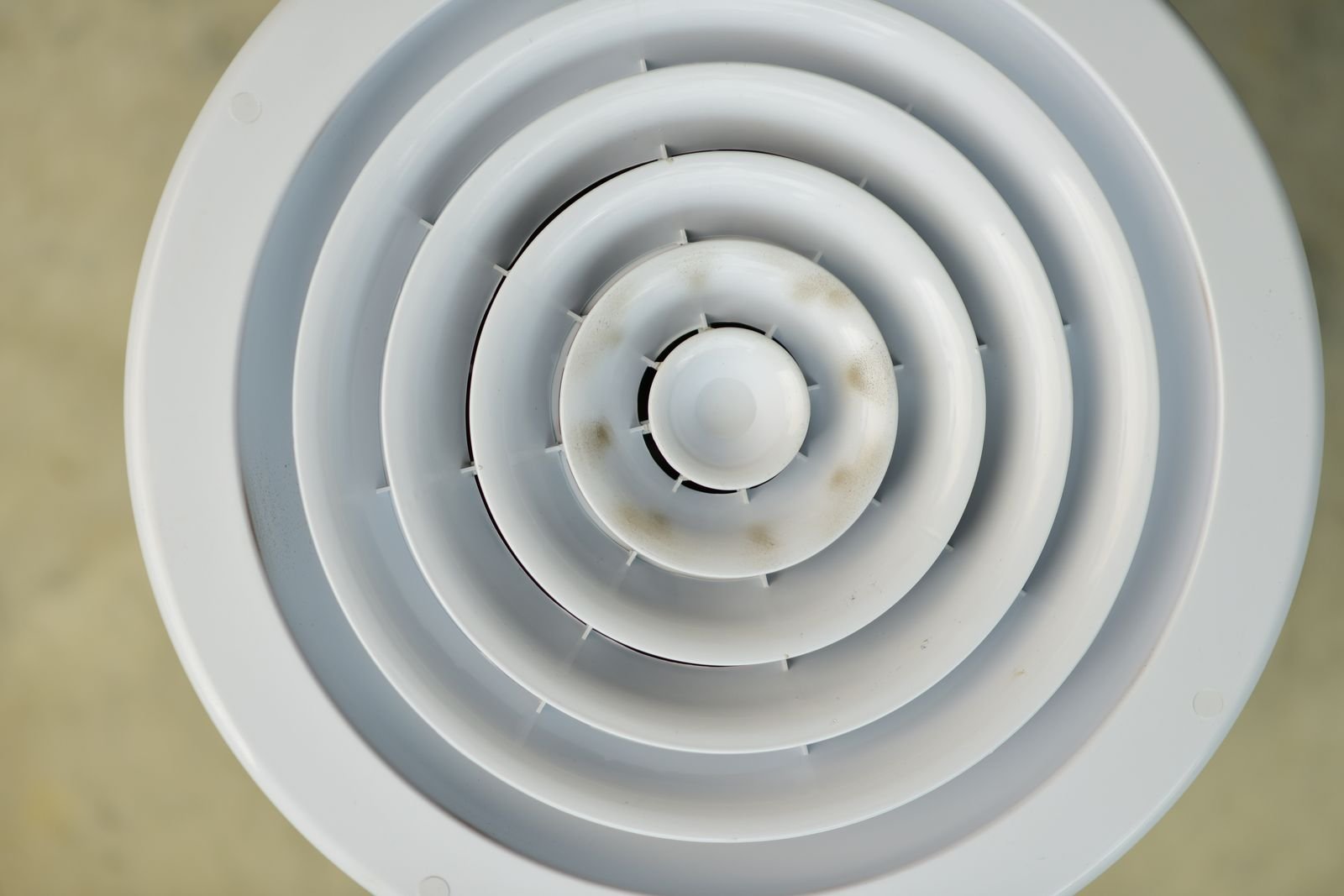
How to Clean Air Vents, Registers and Return Grilles
Here is how to clean air vents the right way: turn the heating or cooling system off, vacuum the vent cover with a brush attachment, then remove it, soak it in warm water with a little dish soap, wipe it with a sponge, rinse, and dry it completely before you screw it back on. Vacuum inside the duct opening as far as your hose reaches, and check the system’s air filter while you are there. Vents that can’t come off get a careful wipe in place. Below is how we handle each type: floor and wall registers, return air grilles, ceiling vents and bathroom exhaust fan covers.
What you need
- A vacuum with a soft brush attachment and a crevice tool (a HEPA vacuum, or the highest-efficiency bags your vacuum takes, keeps more of the dust out of the air)
- A screwdriver that fits the cover screws (usually Phillips)
- Mild dish soap and a sink, tub or bucket of warm water
- A non-scratch sponge, a soft toothbrush and two microfiber cloths
- A sturdy step stool for wall and ceiling vents
- Eye protection for anything overhead, where dust falls straight down
- A replacement air filter, if yours is due
How to clean floor and wall registers
Supply registers are the vents that blow air into a room. Floor registers usually lift straight out; wall registers are held with two screws.
- Turn the system off at the thermostat so the fan doesn’t push loose dust around the room while the cover is off.
- Vacuum the cover in place first. Run the brush attachment across the louvers to pull off the loose dust before it falls into the duct.
- Remove the cover. Lift floor registers out; unscrew wall registers and keep the screws in a cup so none disappear into the duct.
- Vacuum the duct opening. Reach in with the crevice tool as far as it goes comfortably. Floor vents collect more than dust, so look for anything that has dropped in, such as toys, coins or pet food. Keep water and steam out of the ductwork itself; the EPA advises against wet cleaning methods inside ducts.
- Soak the cover. Let it sit for several minutes in warm water with a few drops of dish soap. Kitchen and bathroom vents usually carry a film of grease or hairspray and benefit from a longer soak.
- Wipe, don’t scrub. Use a sponge on the faces and a soft toothbrush between the slats. Most registers are painted steel, and hard scrubbing or abrasive pads can chip the paint. One vent manufacturer’s care guide warns specifically against scrubbing for this reason.
- Rinse and dry completely. Rinse with warm water and dry with a clean cloth, including the corners and the damper. Steel left damp can rust.
- Reinstall. If the register has an adjustable damper that sticks, a little silicone lubricant on the moving parts helps. Screw wall registers back snug, not tight enough to dent the frame.
If a register won’t fit in your sink, the bathtub works well. Lay a towel in the bottom first so the metal edges don’t scratch the tub.
How to clean a return air grille (and check the filter)
Return grilles are the larger vents that pull air back to the furnace or air handler, and because household air is drawn through them, they collect dust quickly. According to the EPA, a dusty return grille on its own doesn’t mean the ducts behind it are dirty; the grille can simply be vacuumed or removed and washed.
- Turn the system off at the thermostat or the furnace’s power switch.
- Vacuum the grille face with the brush attachment.
- Open or remove the grille. Many returns are filter grilles with a hinged door and two latches; others are held with screws.
- Before you pull the filter, note which way its airflow arrow points. The new filter goes in the same way, with the arrow pointing toward the furnace, away from the room.
- Wash the grille the same way as a register (soak, sponge, rinse, dry thoroughly), or wipe it in place with a damp, soapy microfiber cloth if it is hinged and awkward to remove.
- Vacuum around the filter slot, put in a fresh filter with no gaps around its edges, close the grille and turn the system back on.
How often to change the filter: Carrier suggests every 30 days to 3 months for a basic 1-inch filter and roughly every 90 days to 6 months for thicker pleated filters, following the filter maker’s instructions. Trane gives 30 to 90 days as a rough guide for homes without pets and 20 to 45 days for homes with several pets. The EPA recommends using the highest-efficiency filter your system’s manufacturer recommends and changing it more often if it clogs. Your furnace or air handler manual has the final word. During cleanup after wildfire smoke or ash, AirNow recommends replacing filters often; our wildfire ash cleanup guide covers the rest of the house.
How to clean ceiling vents and covers you can’t remove
Some vents are painted over, caulked in, or simply too high to take down safely. Clean these in place.
- Turn the system off and put on eye protection.
- Vacuum the louvers with the brush attachment, working from the top edge down.
- Wrap a microfiber cloth around a butter knife or a flat paint stirrer, dampen it with warm, soapy water, and slide it between each slat. Wring the cloth well so nothing drips into the duct.
- Follow with a cloth dampened in plain water, then a dry one.
Ceiling vents tend to leave gray streaks on the ceiling around them, because dust in the moving air settles on the paint. A damp sponge lifts light streaks; test a hidden area first on flat paint, which marks easily. Since you are already on the stool, this is a good time to clean the ceiling fan too.
How to clean a bathroom exhaust fan cover
The bathroom fan cover is a vent too, and it clogs with lint and dust that slow the fan down. The Department of Energy’s Building America Solution Center gives this method:
- Switch off the fan’s circuit at the breaker, not just the wall switch. If the fan has a light, remove the light cover and bulb.
- Pull the cover down gently, then squeeze the two spring-loaded wires to release it. Some models use screws or clips instead.
- Vacuum or brush off the loose lint, soak the cover in warm water with a few drops of dish soap, scrub it gently and let it air dry on a towel.
- Vacuum the dust you can reach inside the fan housing, taking care not to damage the fan, then reinstall the cover, restore power and test the fan.
Why does my heater smell like burning dust when I first turn it on?
A burning-dust smell during the first heating cycles of the season is usually dust that settled on the furnace over the warm months burning off. Carrier says the smell is usually temporary and harmless and typically fades within 30 minutes to a few hours. Changing the filter and cleaning the registers before the first cold night helps keep it short.
Some smells are not normal. Carrier says a burning-plastic or electrical smell means you should shut the furnace off and call an HVAC technician, and a rotten-egg smell can mean a gas leak that needs attention immediately. A dust smell that lasts beyond a few hours or gets stronger also calls for a technician.
How often should you clean air vents?
Dust the vent covers whenever you vacuum the room, and give them a full remove-and-wash at least twice a year, which is what one vent manufacturer’s care guide recommends. Clean them more often in kitchens, where grease builds up, and in homes with pets, where hair and dander collect on the louvers; our guide to keeping pet hair under control covers the rest of the house. Fall, before you switch from cooling to heating, is a sensible time for one of the two deep cleanings.
Vents also tie into the rest of your dusting routine. Work top to bottom: ceiling vents and fans first, then blinds and wall registers, and baseboards and floor registers last, so dust you knock loose lands on surfaces you haven’t cleaned yet. If dust seems to come back within days of cleaning, our guide to why your house gets so dusty covers where it comes from and how to keep more of it out. The grease screen over your stove is a different job with its own method; see our guide to cleaning a range hood filter.
Do you need to have your air ducts cleaned?
Usually not on a schedule. The EPA does not recommend routine duct cleaning and says it should be done only as needed. The agency points to three signs that warrant it: substantial visible mold inside hard ducts or other parts of the system, rodents or insects in the ducts, or ducts so clogged that dust and debris blow out of the supply registers. Each of these usually has a cause, such as a moisture problem or a gap that lets pests in, which should be fixed first or the problem tends to come back.
If you do hire a duct cleaner, know that the EPA does not recommend sealants as a routine step and advises using biocides only where there is visible microbial growth. Duct cleaning is HVAC specialist work; it isn’t part of a house cleaning service, including ours.
When to hand vent cleaning off
Vents are tedious rather than hard: there are a lot of them, many are overhead, and they fall to the bottom of the list. Our Deep Cleaning includes dusting reachable vents along with baseboards, blinds, light fixtures and other buildup-prone details. Our Move-In/Move-Out Cleaning includes dusting reachable vents as part of one complete scope. On those visits our Vetted Cleaning Professionals work top to bottom, so dust from vents and fans comes down before the floors are done.
Suddenly Clean serves homes throughout East County and surrounding San Diego communities. If your ZIP code is accepted, we currently service your area. You can see your exact flat-rate price on our booking page before you book.
Comments are closed