

How to Clean Painted Walls Without Damaging the Paint
The safest way to clean painted walls is to dust them first, then wash with warm water and a few drops of mild dish soap on a soft cloth or sponge that is wrung out until it is barely damp. Work in small sections with light pressure, wipe away any soap with a clean damp cloth, and dry as you go. How hard you can scrub depends on the paint’s sheen: flat and matte paint marks easily, while satin and semi-gloss tolerate more. Test any method on a hidden spot first.
Most walls only need spot cleaning around switches, doorways and the kitchen. A full wash is worth doing before holiday guests, before you repaint, or when you notice a gray film that dusting no longer removes.
What you need
- A vacuum with a soft dust-brush attachment, or a dry microfiber duster on an extension pole
- Two buckets: one with warm water and a few drops of mild dish soap, one with plain warm water for rinsing
- Soft white or light-colored microfiber cloths or non-scratch sponges (dyed sponges and colored soaps can transfer color to light walls)
- A dry towel for drying, and an old towel or drop cloth along the baseboards to catch drips
- Baking soda for scuffs, and a melamine foam sponge (such as a Magic Eraser) for stubborn marks on durable finishes only
- A step stool, and kitchen gloves if you prefer
Check your paint sheen before you scrub
Paint sheen decides how much cleaning a wall can take. Flat and matte finishes have a softer surface, so scrubbing can leave a shiny or lighter patch where the mark used to be. Eggshell and satin are more forgiving, and semi-gloss and gloss, common in kitchens, bathrooms and on trim, hold up to repeated washing but can scratch. If you are not sure what you have, look at the wall from the side in daylight: the flatter the reflection, the gentler you need to be.
| Sheen | Where you usually find it | How to clean it |
|---|---|---|
| Flat or matte | Ceilings, living rooms, bedrooms | Dust often. Plain water first, then very mild soap, light pressure, nearly dry cloth. No melamine sponge or hard scrubbing. |
| Eggshell or satin | Living areas, hallways, kids’ rooms | Mild soap and water with moderate pressure. Spot-test baking soda or a melamine sponge before using either on a visible area. |
| Semi-gloss or gloss | Kitchens, bathrooms, doors, trim | Tolerates grease-cutting dish soap and more frequent washing. Use soft cloths only, because abrasives scratch the shine. |
Freshly painted walls need time to cure. Sherwin-Williams advises waiting at least two weeks before cleaning new paint with soap and water, because wetting it sooner can change or damage the finish.
How to wash painted walls, step by step
- Clear and protect the area. Pull furniture a little away from the wall, take down art, and lay a towel along the baseboard.
- Dust from the top down. Vacuum with the brush attachment or run a dry microfiber duster from the ceiling line to the baseboard. Washing a dusty wall turns the dust into muddy streaks.
- Test a hidden spot. Try your cloth and solution behind a sofa or a door. Let it dry fully. If the paint still looks even and there is no water mark or shiny patch, carry on.
- Start with plain water, then add soap only if you need it. Many fingerprints and light grime come off with warm water alone. If not, use the bucket with a few drops of mild dish soap. Wring the cloth until it no longer drips.
- Wash small sections. Work an area about an arm’s width at a time, top to bottom, with gentle circular motions. Keep the cloth damp rather than wet so nothing runs down the wall; drips leave clean tracks through the dirt below.
- Rinse and dry each section. Wipe the same area with a cloth from the plain-water bucket to lift soap residue, then dry it with a towel. Rinse your cloths often and change the water when it looks gray.
- Buff any streaks. Once the wall is dry, a clean, dry microfiber cloth usually takes care of faint streaks.
Around light switches and outlets, keep water well away from the openings. Wipe the cover plates with a cloth that is barely damp, and never spray cleaner directly onto them. Our guide to cleaning doors and light switches covers switch plates, doorknobs and door frames step by step.
How to remove scuffs, crayon and fingerprints
Treat marks the gentlest way first and step up only if needed, testing each step on a hidden area:
- Damp cloth. Many fresh scuffs and fingerprints lift with a damp microfiber cloth alone.
- Mild soap. Next, a drop of dish soap on the damp cloth, then rinse and dry the spot.
- Baking soda paste. For scuffs and crayon, mix a little baking soda with water into a soft paste, rub lightly with a cloth, then wipe off every bit of residue. Baking soda is a mild abrasive, so go easy on flat paint.
- Melamine sponge, on durable finishes only. A damp melamine foam sponge removes stubborn marks such as colored pencil, but it works by abrading the surface. Use light pressure on a small area, and skip it on flat or matte paint, where it can leave a dull or shiny patch.
Marks are easier to remove the sooner you deal with them. If a stain survives all of this, a touch-up with the original paint in the same sheen is usually a better fix than more scrubbing.
How to clean flat or matte painted walls
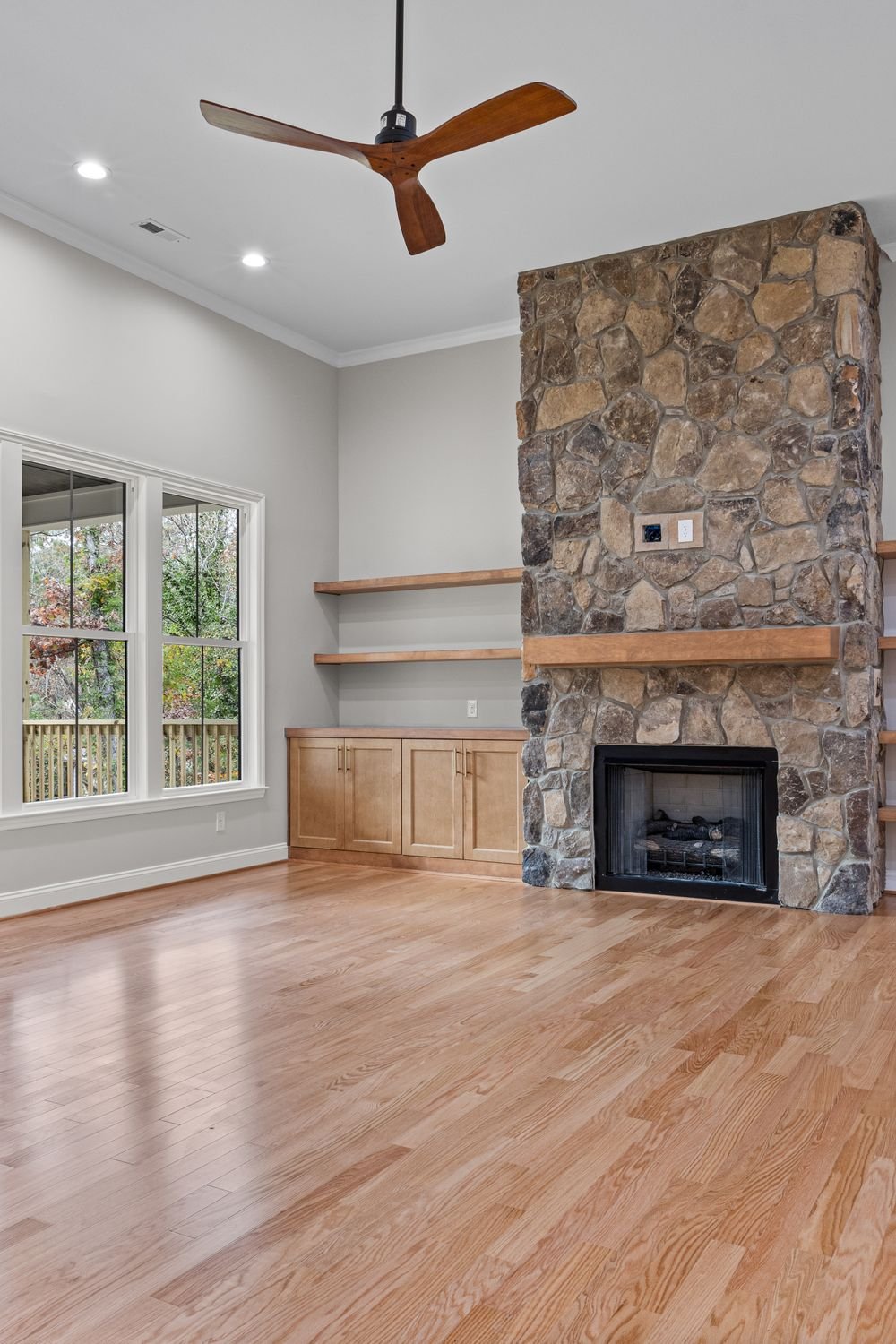
Flat paint is the finish most likely to be damaged by cleaning. Dust it regularly so a full wash is rarely needed, and when you do wash it, use plain water or very mild soapy water, a cloth wrung almost dry, and light strokes. Avoid baking soda on large areas, melamine sponges and any scrubbing pad. If a mark will not come off with gentle cleaning, touching it up with matching paint is often the only way to make it disappear without leaving a patch.
How to clean greasy kitchen walls
Kitchen walls near the stove collect a sticky film of cooking grease that dust then clings to. Use warm water with a few drops of a grease-cutting dish soap, let the damp cloth sit on the spot for a few seconds to soften the film, then wipe, rinse and dry. Kitchens are often painted in semi-gloss, which tolerates this well. The cabinets and range hood beside that wall usually carry the same grease, and our guide to cleaning greasy kitchen cabinets without damaging the finish covers them. Avoid degreasers that are not labeled for painted surfaces, and never mix cleaning products.
What to do about mildew on bathroom walls
Small spots of mildew on painted bathroom walls or ceilings can usually be scrubbed off with detergent and water, then dried completely, which is the approach the EPA recommends for mold on hard surfaces. The cause is moisture, so run the exhaust fan during and after showers and fix any leaks. Do not paint over mildew, because paint applied over mold tends to peel. If growth covers more than about 10 square feet, or keeps returning, the EPA points to professional guidance rather than a DIY cleanup. If you use a mildew product, follow its label and never combine it with any other cleaner, especially products containing bleach, ammonia or acids.
How often should you wash walls?
Dust walls every few months, or whenever you do other high dusting such as ceiling fans and air vent covers. Spot-clean switches, door edges and kids’ height marks as they appear. A full wash once or twice a year is plenty for most rooms; kitchens and hallways may need it more often, and flat-painted rooms less. Work top to bottom through the room, and finish with the baseboards so any drips or dust that fall get cleaned last. If you have stairs, the painted balusters and handrail are worth doing in the same pass; our guide to cleaning stair railings and banisters covers wood, painted and metal rails.
Where professional cleaning fits
Washing entire walls is not part of our standard or deep cleaning checklists. Our Deep Cleaning gives detailed attention to the high-touch spots on and around walls: light switches, outlet plates, doors and door frames, trim and baseboards. Our Move-In/Move-Out Cleaning also includes spot-cleaning walls and door frames near high-touch areas, which is where marks tend to show in an empty home. If you are moving out of a rental, our move-out cleaning guide for California renters explains what landlords typically look for.
Our Vetted Cleaning Professionals treat painted surfaces the way this guide describes: the gentlest method first, and no abrasives on flat paint. Suddenly Clean serves homes throughout East County and surrounding San Diego communities. If your ZIP code is accepted, we currently service your area, and you can see your exact flat-rate price on our booking page.
Comments are closed